

With the major economic changes happening in Saudi Arabia under Vision 2030, companies are now expected to rethink their management and organizational priorities. It’s no longer just about increasing profits or expanding in the market. The human element has become a core part of any company’s strategy. That’s why improving the work environment in companies has become so important. It plays a key role in achieving long-term sustainability, boosting competitiveness, and increasing employee satisfaction. In other words, creating a better work environment is no longer just an administrative choice it’s a strategic necessity that aligns with the country’s ongoing transformation.
Improving the work environment in companies refers to a set of policies, practices, and steps aimed at creating an organizational, physical, and psychological environment that helps employees do their jobs efficiently, with satisfaction and stability.
This includes:
· Developing a strong workplace culture.
· Encouraging clear and effective internal communication.
· Providing a safe and comfortable physical environment.
· Supporting mental well-being and work–life balance.
· Adopting fair and transparent evaluation systems.
The concept isn’t limited to physical aspects like offices and equipment. It also covers professional relationships, leadership styles, and the level of trust between management and employees.
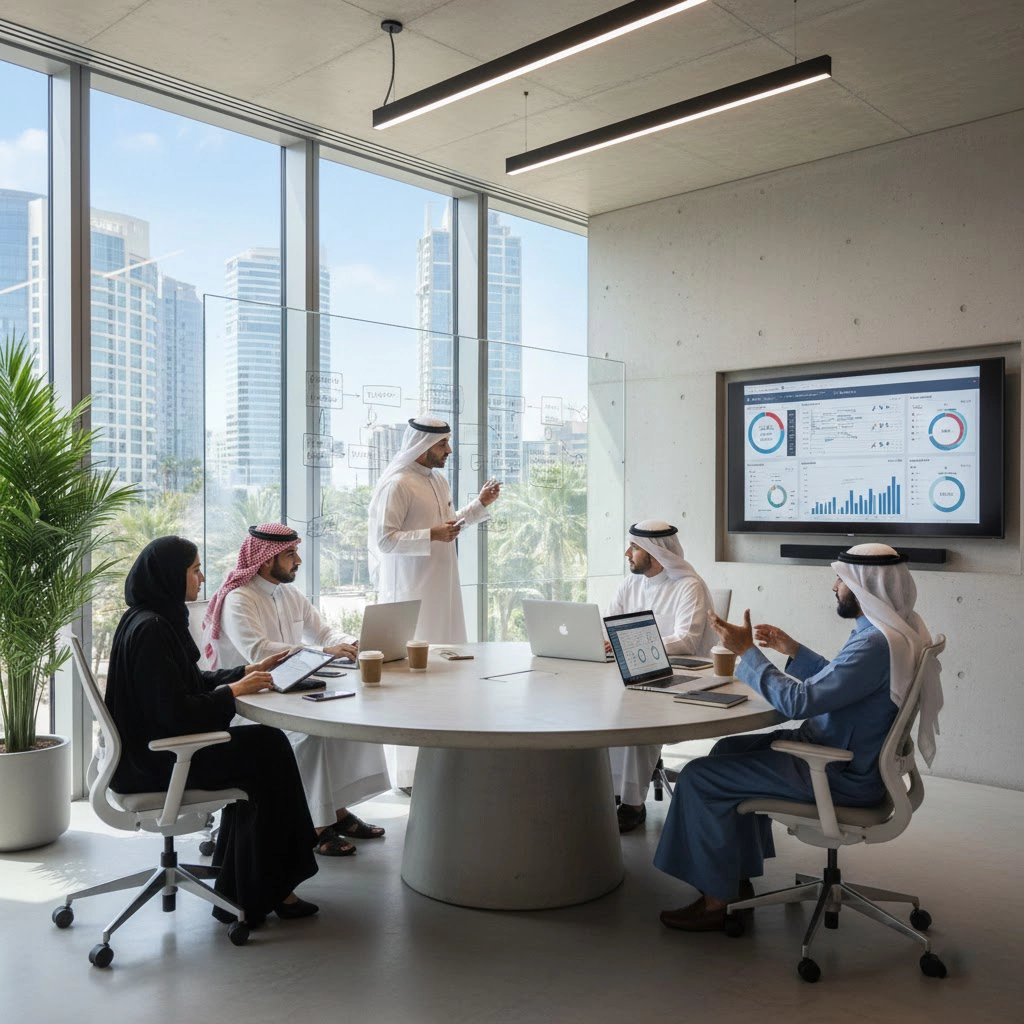
Vision 2030 places human capital at the center of its priorities, as Saudi Arabia aims to build a knowledge-based and innovation-driven economy. This goal can’t be achieved without a motivating and supportive work environment. The Importance of improving the work environment in Saudi companies can be seen in several key areas:
1. Increasing Employee Satisfaction
When employees feel valued, treated fairly, and supported, their commitment to the organization naturally grows. Employee satisfaction is directly linked to lower turnover rates and reduced recruitment and training costs.
2. Boosting Productivity in Companies
Management studies often show that positive work environments can increase performance levels by around 20–30%. A healthy workplace helps reduce absenteeism and improves the overall quality of output.
3. Attracting Local and Global Talent
In a competitive market like Saudi Arabia, the work environment has become a major factor in employment decisions. Talented professionals look for companies that care about development, balance, and fairness.
4. Supporting Digital and Organizational Transformation
Digital transformation requires flexibility and a culture that accepts change. Improving the work environment makes it easier to adopt new technologies and restructure internal processes when needed.
Read also: Why Corporate Wellbeing Is Essential for UAE Companies
Building an ideal work environment is a key step in improving workplaces across Saudi Arabia, especially with the fast economic and organizational changes happening in the country. The work environment is no longer just about offices and equipment. It has become a complete system that includes leadership, company culture, mental well-being, work–life balance, and even technical infrastructure. Below is a deeper look at the main elements that shape an ideal work environment in the Saudi context.
Leadership is the foundation of improving the work environment in companies. The way leaders act and communicate directly affects company culture, trust levels, commitment, and productivity. A successful leader today doesn’t just manage tasks. They inspire their team, motivate people, and create a workplace built on transparency and shared responsibility.
An effective leader:
· Communicates clearly and sets clear expectations, reducing confusion and misunderstandings.
· Gives employees trust and authority, encouraging initiative and accountability.
· Supports professional growth through training, mentoring, and guidance.
· Makes fair decisions based on clear standards, not favoritism or randomness.
· Promotes a culture of continuous feedback, whether positive or corrective.
In today’s Saudi workplace, traditional authoritarian leadership styles don’t really fit anymore. The modern workforce is more educated and ambitious. Employees expect to be involved in decision-making, to have transparency, and to be treated fairly when it comes to opportunities. That’s why developing transformational and participative leadership skills has become a priority for companies that truly want long-term improvement.
The psychological side of the workplace is central to building a healthy and stable culture. Even if the company provides excellent physical resources, the lack of psychological safety can hurt performance, lower satisfaction, and increase burnout.
A positive psychological environment includes:
· A sense of job security, so employees don’t constantly worry about their future.
· Respect for different opinions and encouragement of diversity in thinking, which supports innovation.
· Professional and fair conflict management, without bias or unnecessary escalation.
· Mental health support through well-being initiatives and assistance programs when needed.
· A culture of appreciation and recognition for both individual and team achievements.
A healthy psychological environment reduces stress and work pressure, supports creativity, and strengthens team spirit. It also directly impacts productivity, since employees tend to perform better when they feel respected and valued.
Work–life balance has become a core part of developing a strong work environment, especially with changing expectations among younger generations in the job market. Professional success is no longer measured only by long working hours, but by how well employees can balance their job responsibilities with their personal lives.
An effective work–life balance includes:
· Flexible working hours, depending on the nature of the job.
· Well-planned leave policies that allow employees to rest and recharge.
· Remote or hybrid work options when possible.
· Family-support initiatives, such as flexible maternity and paternity leave.
· Understanding personal circumstances during emergencies or special situations.
Companies that respect this balance usually see higher employee satisfaction and stability. They also experience lower absenteeism and less burnout. Offering flexibility shows that management understands modern workforce needs and improves the company’s image in the job market.
Improving the work environment simply isn’t complete without policies that support balance, since it’s one of the main factors behind long-term loyalty and sustainable performance.
While leadership and psychological factors are critical, the physical and technical setup still plays a big role in daily performance. Employees spend most of their day at work, so the space should support comfort, focus, and efficiency.
An ideal physical and technical environment includes:
· Comfortable offices designed according to safety and occupational health standards.
· Proper natural or artificial lighting to reduce eye strain.
· Good ventilation and suitable temperatures.
· Dedicated spaces for meetings and collaboration.
· Modern technical tools that make tasks easier.
· Efficient digital systems for managing resources and operations.
Investing in infrastructure shows respect for employees and strengthens their sense of appreciation. Advanced technology also reduces operational errors and clearly improves overall productivity.
These elements shouldn’t be seen separately. Effective leadership supports psychological well-being. A positive psychological environment helps maintain balance. Strong infrastructure supports overall performance. When all these elements work together under a clear strategy, improving the work environment becomes an ongoing process not just a temporary initiative.
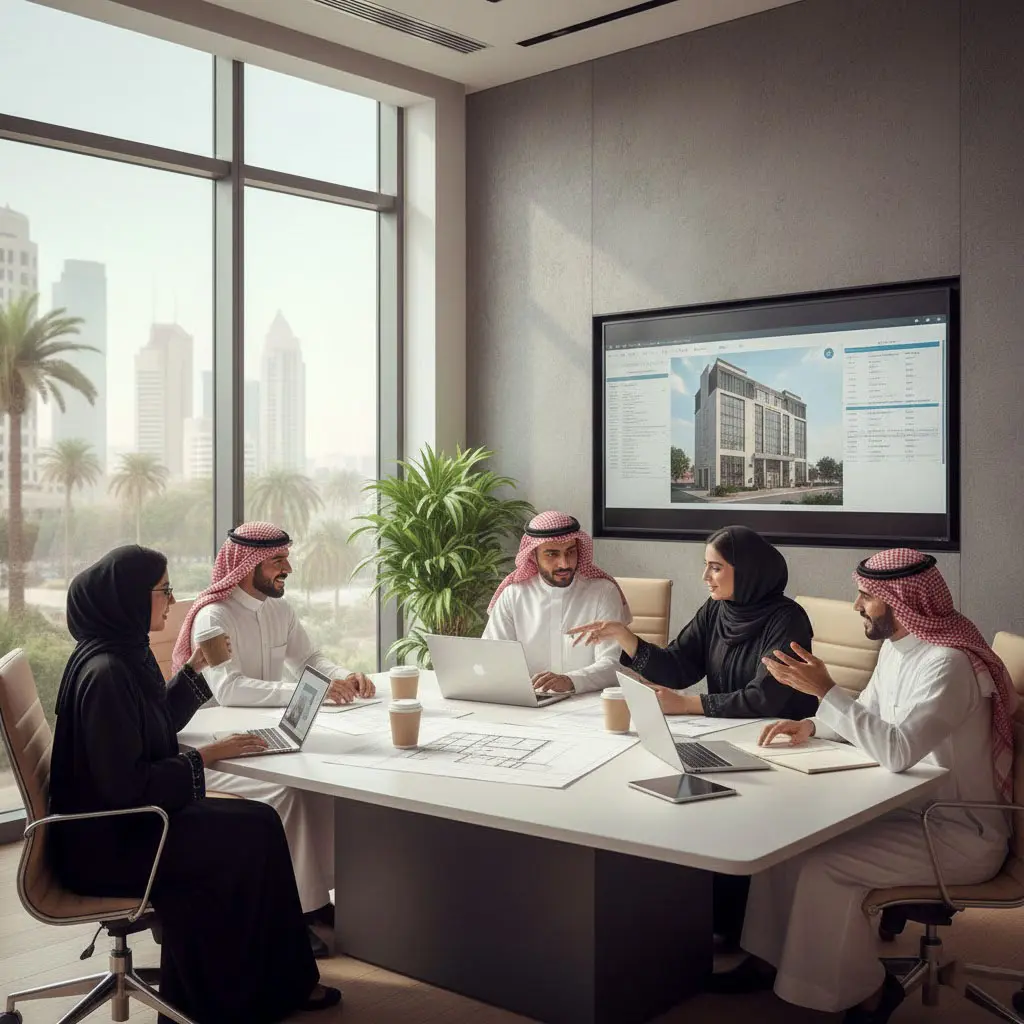
There are several practical strategies companies can apply to strengthen their workplace culture and achieve real, noticeable results:
· Conduct regular evaluations of the work environment through employee satisfaction surveys.
· Build a fair and transparent reward system that’s clearly linked to performance.
· Improve internal communication through regular meetings and digital platforms.
· Develop ongoing training programs that keep up with market needs.
· Introduce flexible work policies, especially for roles that can be done remotely.
· Launch mental health and employee well-being initiatives.
· Define clear career paths to support professional growth and ambition.
As companies in Saudi Arabia look for practical and sustainable ways to improve their work environments, many are turning to specialized firms that offer structured expertise and accurate measurement tools. Among the available solutions, The Ojen stands out as a platform that provides professional support for organizations aiming to develop their workplace based on clear strategies, analysis, and data.
The platform follows a comprehensive approach. It doesn’t just focus on surface-level improvements or short-term motivational ideas. Instead, it works on addressing deeper organizational challenges by understanding internal culture, restructuring processes, and aligning performance with strategic goals.
· Developing corporate culture in line with the company’s vision, values, and long-term goals, while reinforcing positive workplace behaviors that support stability and growth.
· Workplace assessment and analysis programs using professional measurement tools to track employee satisfaction and identify strengths and weaknesses within the organization.
· Management consulting aimed at improving organizational structures and clarifying roles and responsibilities, which helps reduce overlap and improve operational efficiency.
· Institutional performance development solutions through designing objective evaluation systems and linking performance to rewards and results.
· Supporting organizational transformation and change management with carefully planned transition strategies that reduce resistance and ensure smoother alignment within the company.
The value of this kind of support lies in helping companies move from isolated initiatives to a fully integrated strategy for improving the work environment. Instead of relying on superficial actions like upgrading office spaces or launching temporary initiatives, organizations can build a sustainable system based on data, analysis, and measurable outcomes.
For Saudi companies that aim to increase employee satisfaction, boost productivity, and strengthen their workplace culture in line with Vision 2030, working with specialized platforms like Theojen can be a practical step toward achieving real organizational transformation built on planning, governance, and continuous evaluation.
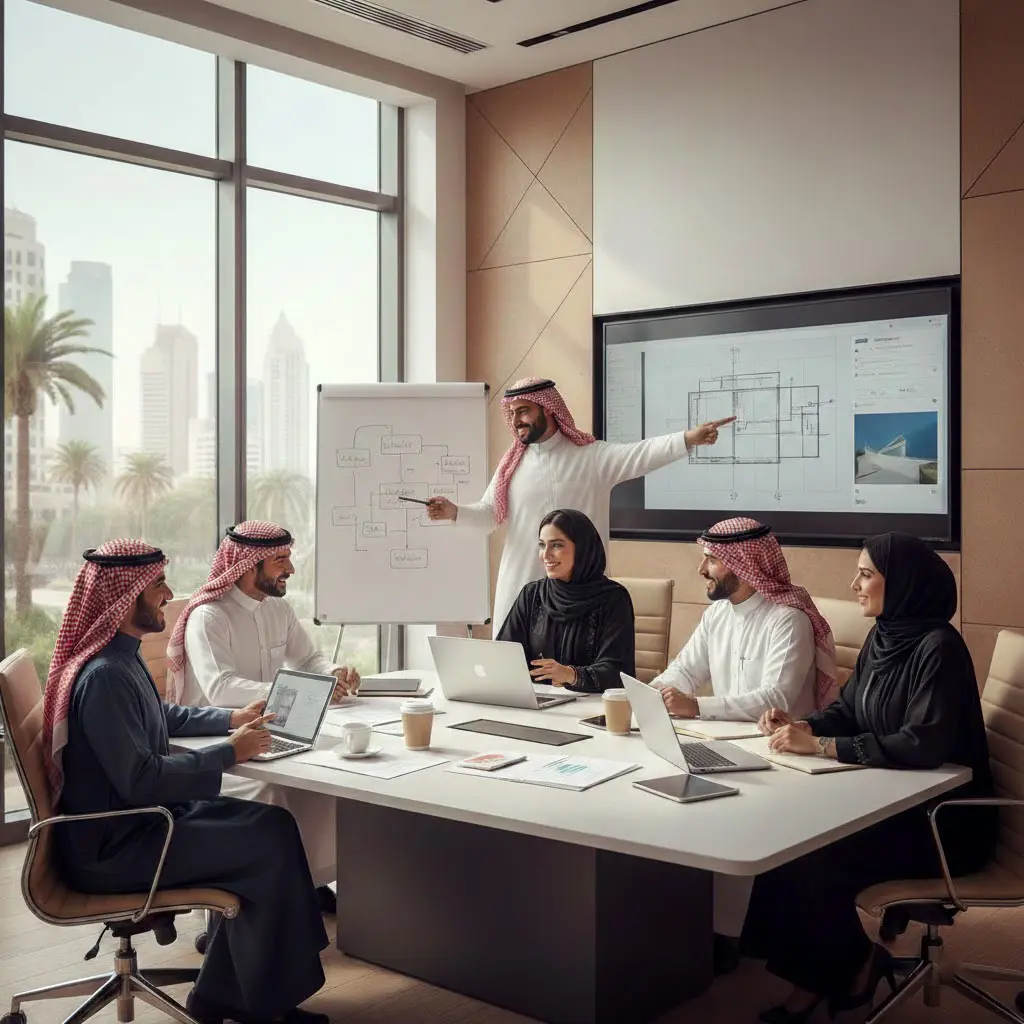
When talking about the practical side of improving the work environment in companies, we can look at the experience of Ojen, a mid-sized Saudi tech company that faced a real challenge. Within one year, its resignation rate increased by 18%.
This rise wasn’t due to uncompetitive salaries. Instead, it revealed deeper issues related to company culture and the lack of clear career paths. After conducting a comprehensive internal assessment of the work environment, several key problems became clear, including:
· Weak communication between management and operational teams.
· No clear feedback systems in place.
· The absence of defined career development paths.
· Some employees feeling that their efforts were not properly appreciated.
The company decided to implement a comprehensive strategic plan aimed at addressing the root causes, rather than applying surface-level fixes. The plan included:
· Launching a leadership development program for managers, focused on communication skills, team management, and building a trust-based culture.
· Introducing a transparent performance evaluation system based on clear, measurable KPIs, with results linked to rewards and promotions.
· Applying one flexible workday per week to support better work–life balance.
· Holding monthly open dialogue sessions between senior management and employees to discuss challenges and suggestions.
· Defining clear career paths for each department, along with individual development plans.
After one year of implementing the plan, measurable improvements were clear:
· The resignation rate dropped from 18% to 7%.
· Employee satisfaction increased by 35%.
· Noticeable improvement in project completion speed.
· A higher percentage of internal promotions compared to external hiring.
Ojen’s experience shows that improving the work environment doesn’t necessarily require massive budgets. What it really needs is a clear vision, aware leadership, and decisions based on data. It also confirms that investing in employee satisfaction and company culture directly impacts productivity and long-term stability.
Read also: Ultimate Guide to Business Consulting Services in the UAE
· Resistance to Change: Some management teams are hesitant to move away from traditional models.
Solution: Introduce change gradually and raise awareness among leaders about the long-term benefits. When they see the bigger picture, resistance usually becomes less intense.
· Weak Corporate Culture: When there are no clear values, behaviors can become inconsistent and even conflicting.
Solution: Define a clear company vision and set of core values, then communicate them across the organization so everyone understands and aligns with them.
· Limited Budget: Some companies believe that improving the work environment is too expensive.
Solution: Start with low-cost actions, like improving communication, recognizing employee efforts, and offering moral support. Small steps can still make a big difference.
· Lack of Measurement Tools: Without clear indicators, it’s hard to evaluate whether improvement efforts are actually working.
Solution: Adopt clear KPIs linked to employee satisfaction and productivity, so progress can be tracked and adjusted when needed.
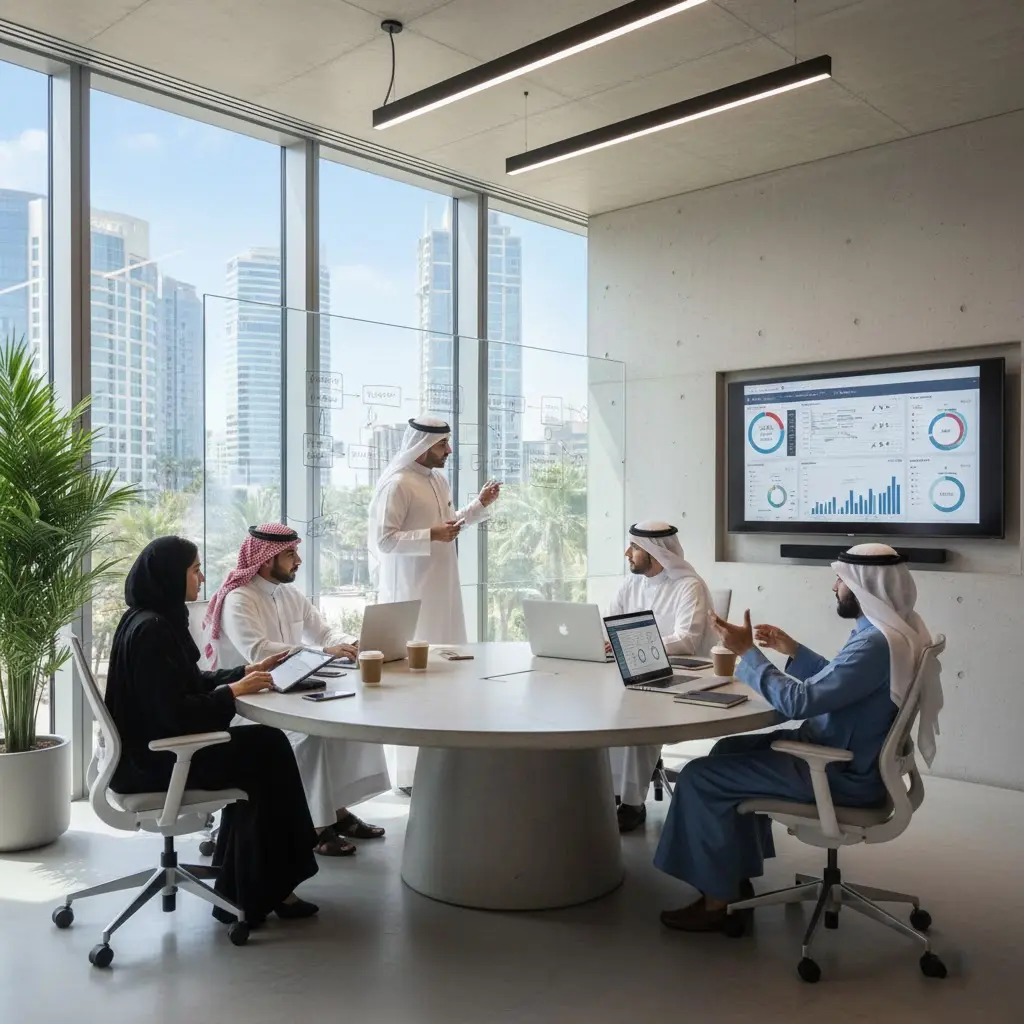
To evaluate how effective workplace development efforts are, companies can rely on indicators such as:
· Employee turnover rate.
· Absenteeism rate.
· Results of employee satisfaction surveys.
· Overall productivity levels.
· Project completion speed.
· The number of internal promotions compared to external hires.
Regular analysis of these indicators provides a clear picture of how successful the workplace improvement strategy really is, and whether adjustments are needed.
Improving the work environment is no longer a side initiative it’s a strategic decision that shapes a company’s future in the Saudi market. Under Vision 2030, investing in people is the most rewarding investment a business can make. Companies that strengthen employee satisfaction and develop their corporate culture are the ones that secure a sustainable competitive edge. To put this into action in a structured and practical way, you can explore Ojen’s solutions for developing corporate culture and improving the work environment through their official website.
Strengthen communication and transparency, apply a fair performance evaluation system, support work–life balance, and provide continuous training opportunities. These steps make workplace improvement practical and sustainable.
· Set clear and realistic goals.
· Provide regular and constructive feedback.
· Link performance to incentives and rewards.
Focus on strengthening corporate culture, updating digital systems, improving the organizational structure, and clearly defining career paths for employees.
Weak communication, unclear roles, limited professional development, and unfair evaluation practices are some of the most common issues that need attention.